

Induction cooking uses an electromagnetic field to heat a pan directly, instead of heating a burner or coil that then heats the pan. It’s faster than gas, more energy-efficient than gas or electric coil, and safer because only the cooktop surface directly under the pot gets hot from the heat of the pot. It’s also the fastest-growing category in home cooking right now, and one of the categories homeowners have the most misconceptions about before they buy. Here’s a complete, honest breakdown: how induction actually works, how it stacks up against gas and electric, what it asks of you day to day, and what to look for in a Wolf induction range.
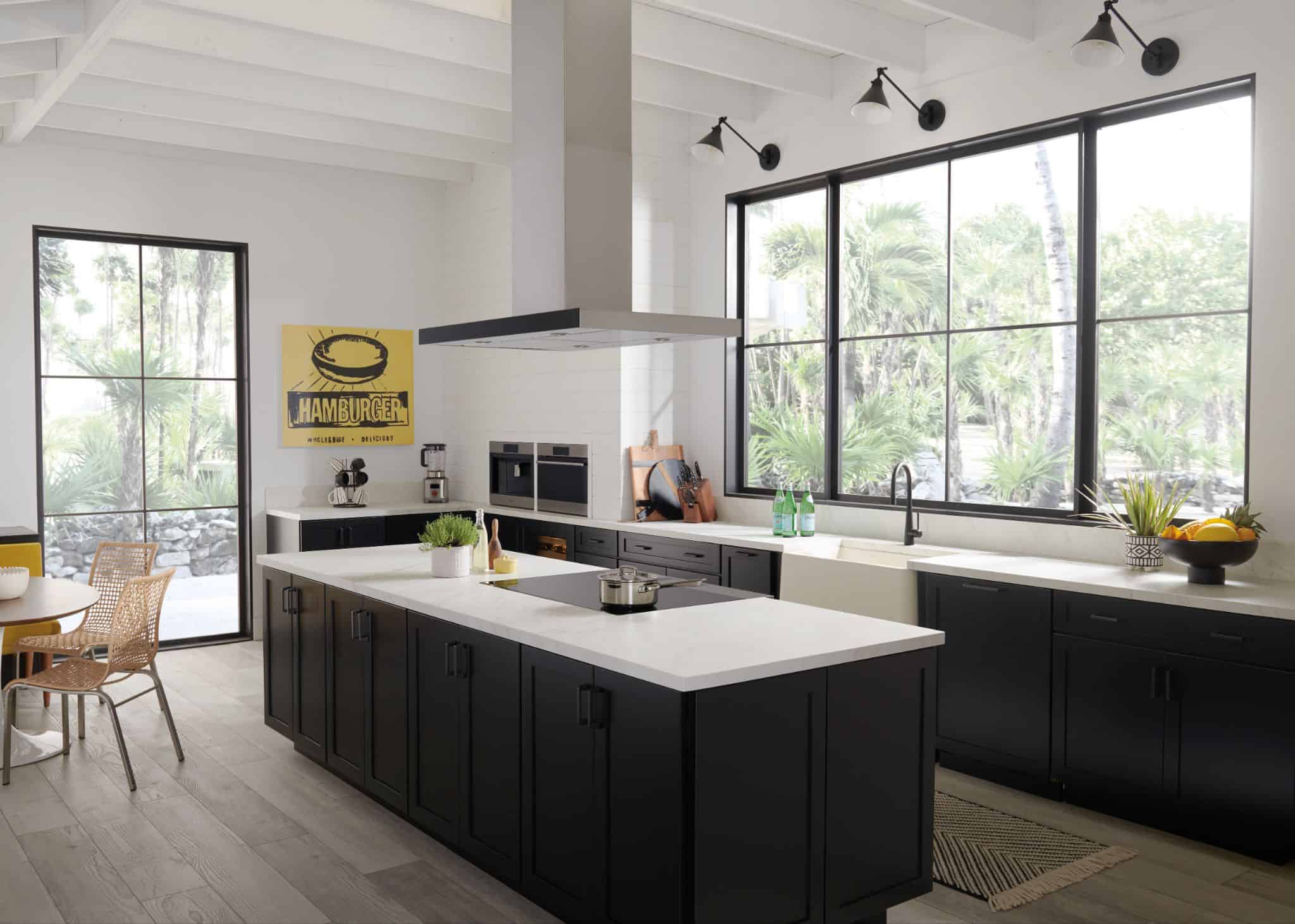
How Induction Cooking Actually Works
A gas burner’s flame heats your pan. An electric coil heats up then heats your pan. Induction skips both of those steps entirely. A coil beneath the cooktop’s glass surface generates a rapidly alternating electromagnetic field. When a magnetic (ferrous) pan sits in that field, it induces small electrical currents, called eddy currents, directly inside the metal of the pan itself. Those currents generate heat inside the pan, not in the cooktop.
That’s the reason induction feels so different the first time you use it. The glass surface around the pan stays relatively cool, because it’s the pan doing the heating, not the cooktop. And because there’s no burner to ignite or coil to warm up, the heat response is close to instantaneous: turn the dial down, and the pan’s temperature drops immediately, the same way it would on a gas flame, but without the flame.
Is Induction Cooking Actually Better Than Gas?
Where Induction Wins, and Where It Asks More of You
- Efficiency: induction transfers roughly 85–90% of its energy into the food, compared to roughly 40% for gas, because almost nothing is lost heating the surrounding air.
- Safety and cleanup: a cool cooktop surface means less risk of burns and no baked-on spills, since nothing scorches onto a surface that never gets hot on its own.
- Cookware requirements: induction only works with magnetic cookware. Cast iron and most stainless steel qualify; pure aluminum, glass, copper, and some all-clad cookware without a magnetic base do not. A quick magnet test on the bottom of a pan tells you instantly.
- The adjustment period: because response is immediate, cooks used to gas often overshoot heat settings for the first week or two before recalibrating.

Watch: What Cookware Works on Induction Cooktops? — Clarke
Induction vs. Gas vs. Electric Coil, Side by Side
| Induction | Gas | Electric Coil | |
|---|---|---|---|
| Heat-up speed | Fastest | Fast | Slowest |
| Energy efficiency | ~85–90% | ~40% | ~65–70% |
| Cookware needed | Magnetic only | Any | Any |
| Cooktop stays cool | ✓ Yes | ✗ No | ✗ No |
| Works during a power outage | ✗ No | ✓ Yes | ✗ No |
| Cleaning | Easiest, nothing bakes on | Moderate | Moderate |
| Best for | Precision cooks, busy families where speed is important | Traditionalists, wok cooking | Budget installs |
What to Look for in a Wolf Induction Range
Wolf brings the same precision-and-power philosophy from its acclaimed range lineup into induction, so you’re not trading away performance for the switch. Wolf’s induction ranges are built around the same features that make its ovens easy to cook with regardless of cooktop type: Gourmet Mode, which walks you through preset cook programs step by step, and a built-in temperature probe that tells you exactly when a dish in the oven is done.
For households debating gas versus induction as part of a larger renovation, the honest answer is that both are excellent; the decision usually comes down to cooking style, existing gas infrastructure, and how much you value the cleanup difference.
Why Test Induction at a Clarke Showroom Before You Buy
Everything above gets you informed, but it can’t get you comfortable – that only comes from standing in front of the range yourself. The real adjustment is muscle memory: how fast the dial actually responds, and how a pan you already own behaves on the surface.
That’s the exact gap a showroom visit closes, and it’s why Clarke lets you test drive the appliances before you commit rather than choose off a spec sheet.
Here’s what an in-person visit actually gets you that a spec sheet can’t:
- A true side-by-side test: boil water on an induction range and a gas range in the same room and compare the time yourself.
- Hands-on time with the tech: run Gourmet Mode or the temperature probe through an actual dish instead of reading about how they work.
- A recommendation based on how you cook: a showroom consultant walks the gas-vs-induction-vs-dual-fuel comparison with you, not a generic pitch.
- A cookware test on the spot: bring a pan from your own kitchen and set it on the cooktop to settle the magnetic-cookware question immediately.
An Ask the Chef appointment, if you want one: a chance to sit down with a Clarke chef, ask the questions on your mind, and get real cooking advice tailored to how you actually cook.
- Support after the sale: a Use and Care appointment once it’s installed makes sure you actually know how to use the range to its fullest at home.
Once You Book a Visit to Our Showroom
Booking takes a couple of minutes online, but here’s what the actual visit looks like once it’s on the calendar:
- You pick a location and time: Boston, MA, Milford, MA (our Metro West showroom), or South Norwalk, CT, scheduled around your calendar.
- A consultant preps around your project: if you share a few details when you book (renovation timeline, gas vs. induction, current appliances), your consultant comes in already oriented to your kitchen rather than starting from zero.
- You cook, you don’t just look: this isn’t a showroom floor of appliances you can only view. You’ll actually put a Wolf induction range to use, boil water, sear, run Gourmet Mode, whatever helps you decide.
- Bring your own cookware: if you’re testing induction specifically, bring a pan from home so you can settle the magnetic-cookware question during the visit instead of guessing afterward.
- You leave with a real plan, not just a brochure: your consultant helps fit the appliances you tested to your actual project and budget, and can loop in resources for cabinets, counters, and designers if you need them.
- Follow-up is on your terms: if you’d like more personalized guidance, you can book an Ask the Chef appointment to have all of your culinary questions answered, or schedule a Use and Care appointment after your purchase to get comfortable using your new range at home.

Watch: Clarke Testimonial — Homeowners Amy & Jason
Ready to see it for yourself? Book your showroom appointment and start with a real, hands-on visit.
Frequently Asked Questions
Is induction cooking worth it?
For most households, yes. Induction cooks faster, is more energy efficient, and is significantly easier to clean than gas or electric coil. It’s most worth it for households that cook often and appreciate precise temperature control or have kids and busy lives and need meals made quickly.
Can you use cast iron on an induction cooktop?
Yes. Cast iron and carbon steel are both naturally magnetic and work well on induction. Most stainless steel cookware also works, as long as the base is magnetic. Pure aluminum, copper, and glass cookware will not work unless they have a magnetic base layer built in.
Does induction cooking use less electricity than a standard electric cooktop?
Yes. Induction transfers roughly 85–90% of the energy it uses directly into the food, compared to roughly 65–70% for a standard electric coil cooktop, because very little heat is lost to the surrounding air or the cooktop surface itself.
Do professional chefs use induction ranges?
Increasingly, yes, especially for precision-dependent tasks like sauce work. Many professional kitchens still favor gas for high-heat wok cooking and visual flame control, so it’s common to see both technologies used side by side in the same kitchen.
What happens to an induction cooktop during a power outage?
It won’t function, since induction cooking relies entirely on electricity to generate its electromagnetic field. This is one of the few scenarios where a gas range has a clear advantage, since a standing pilot or a match can still light a gas burner without power.
See induction cooking in action. Book an appointment at a Clarke showroom and test a Wolf induction range yourself before you decide.